Dispersion

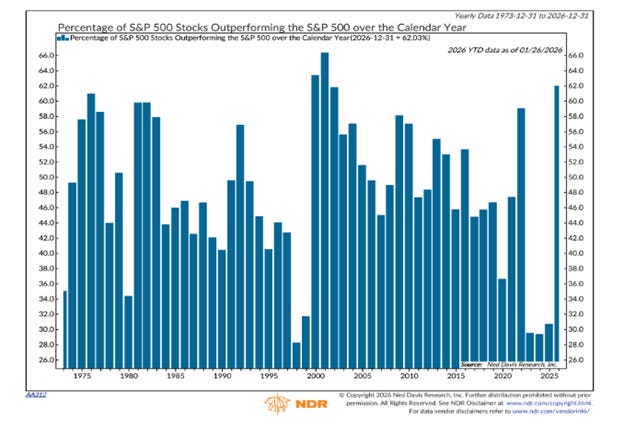
Despite sharp selloffs in select sectors, the S&P 500 is down less than 1% YTD. Under the surface, 65% of stocks are actually outperforming the index. That is a sharp reversal from recent years when a narrow group carried the tape. Breadth has quietly improved even as headlines suggest fragility. (@NDR_Research)
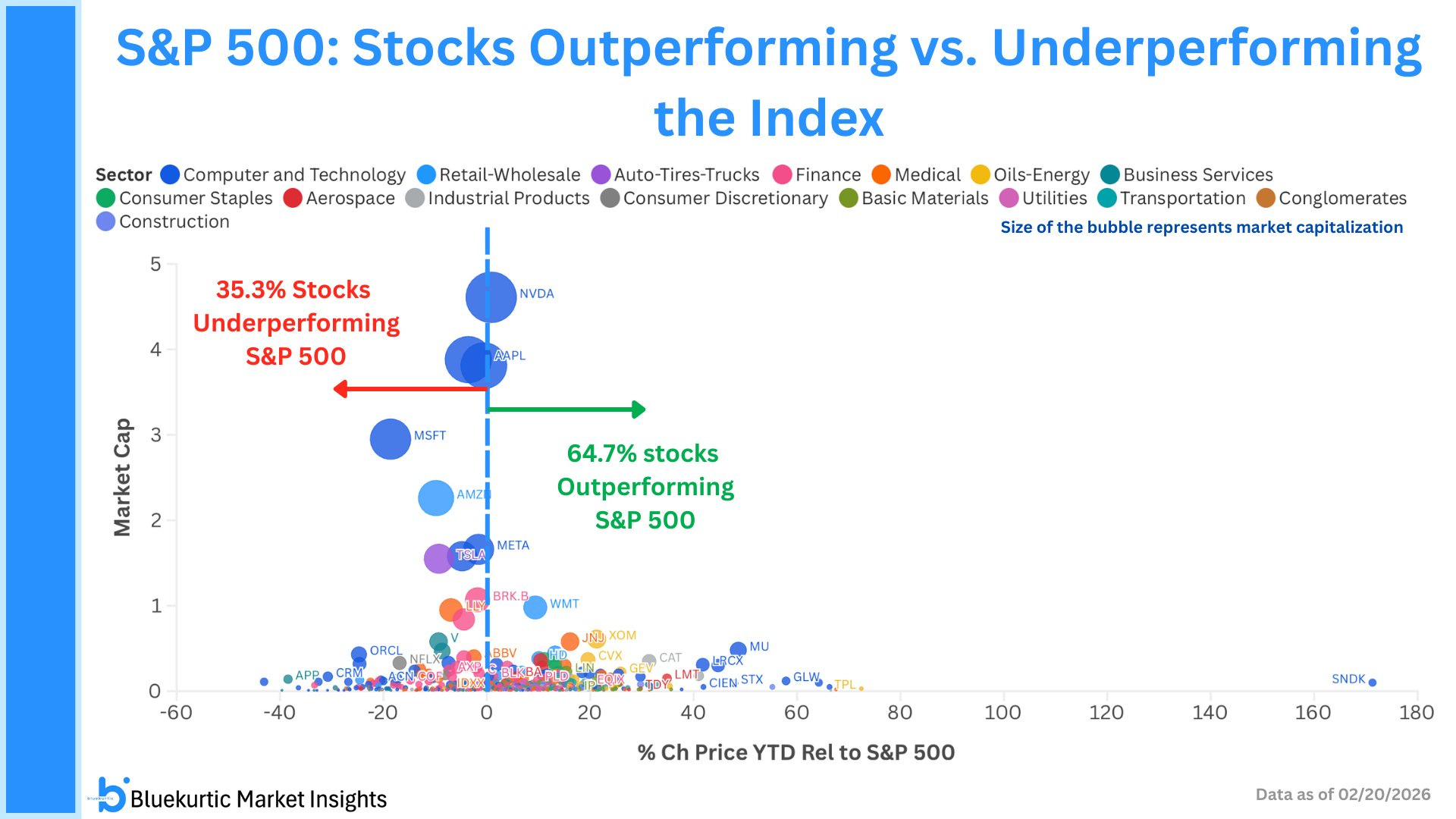
The mega caps have not done much, which explains the muted index return, yet dispersion beneath the surface remains elevated. The index is increasingly a binary expression of a handful of names. When leadership narrows, volatility hides in plain sight. (@Bluekurtic)
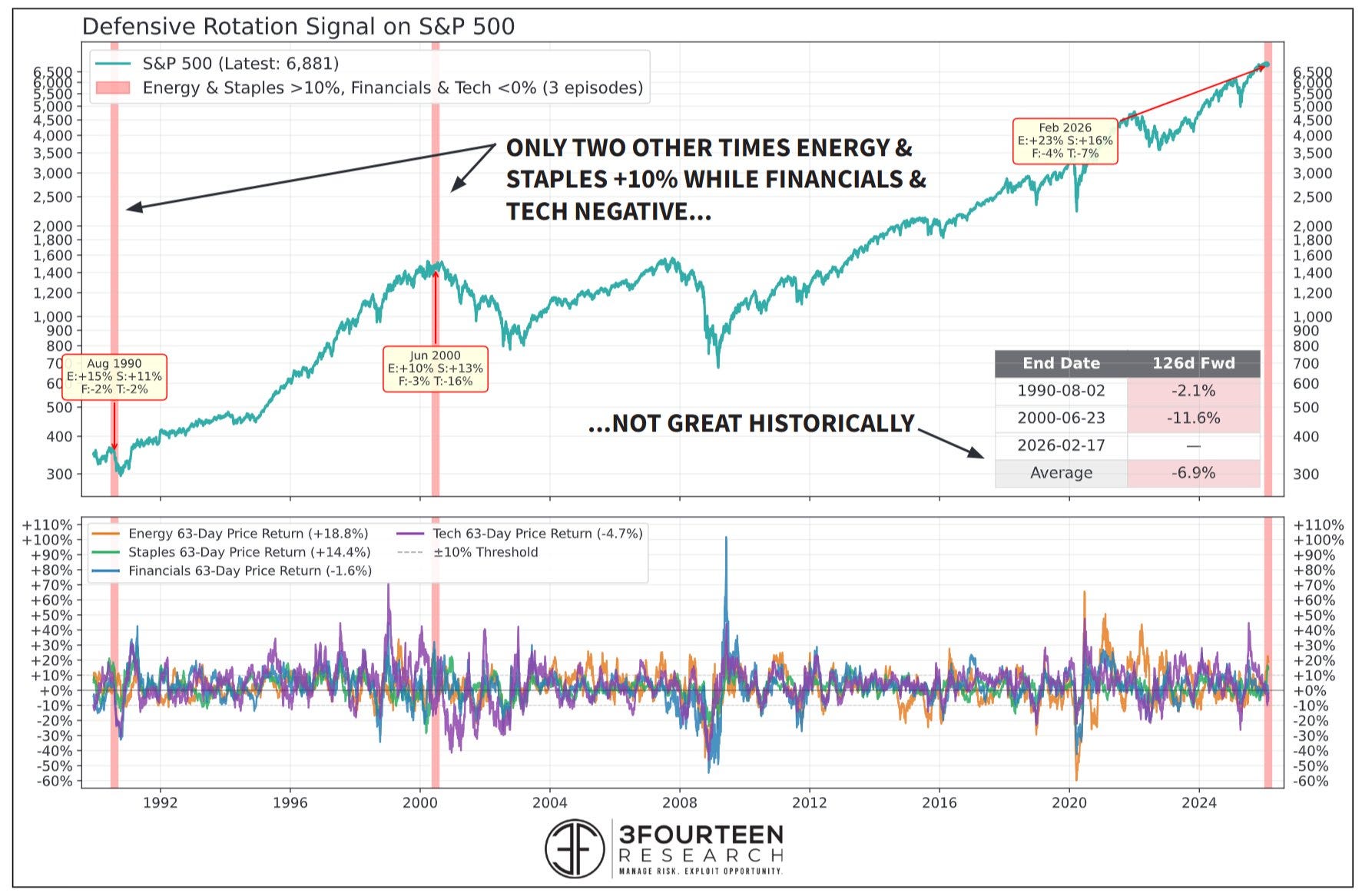
Leadership continues to flash caution. Financials and Tech fell more than 1% yesterday while Staples and Energy rose. Over the past 63 trading days, Staples and Energy are up more than 10% while Financials and Tech are negative. This combination has occurred only twice before, in 1990 during Desert Storm and in 2000. Defensive outperformance at this scale rarely happens in isolation. (@warrenpies)
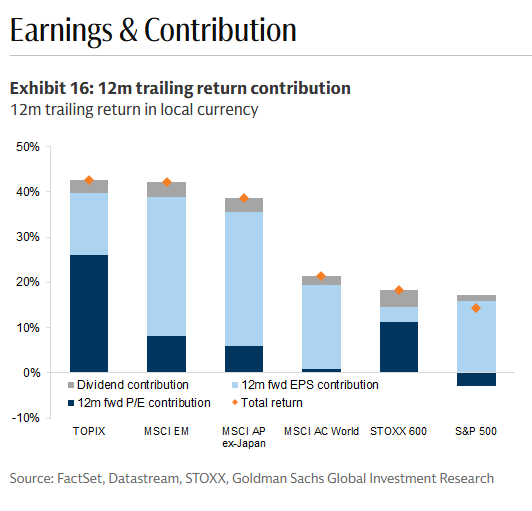
International equities have outperformed over the past 12 months, supported by stronger EPS growth. After a decade of U.S. dominance, relative earnings momentum is shifting abroad. (GS)
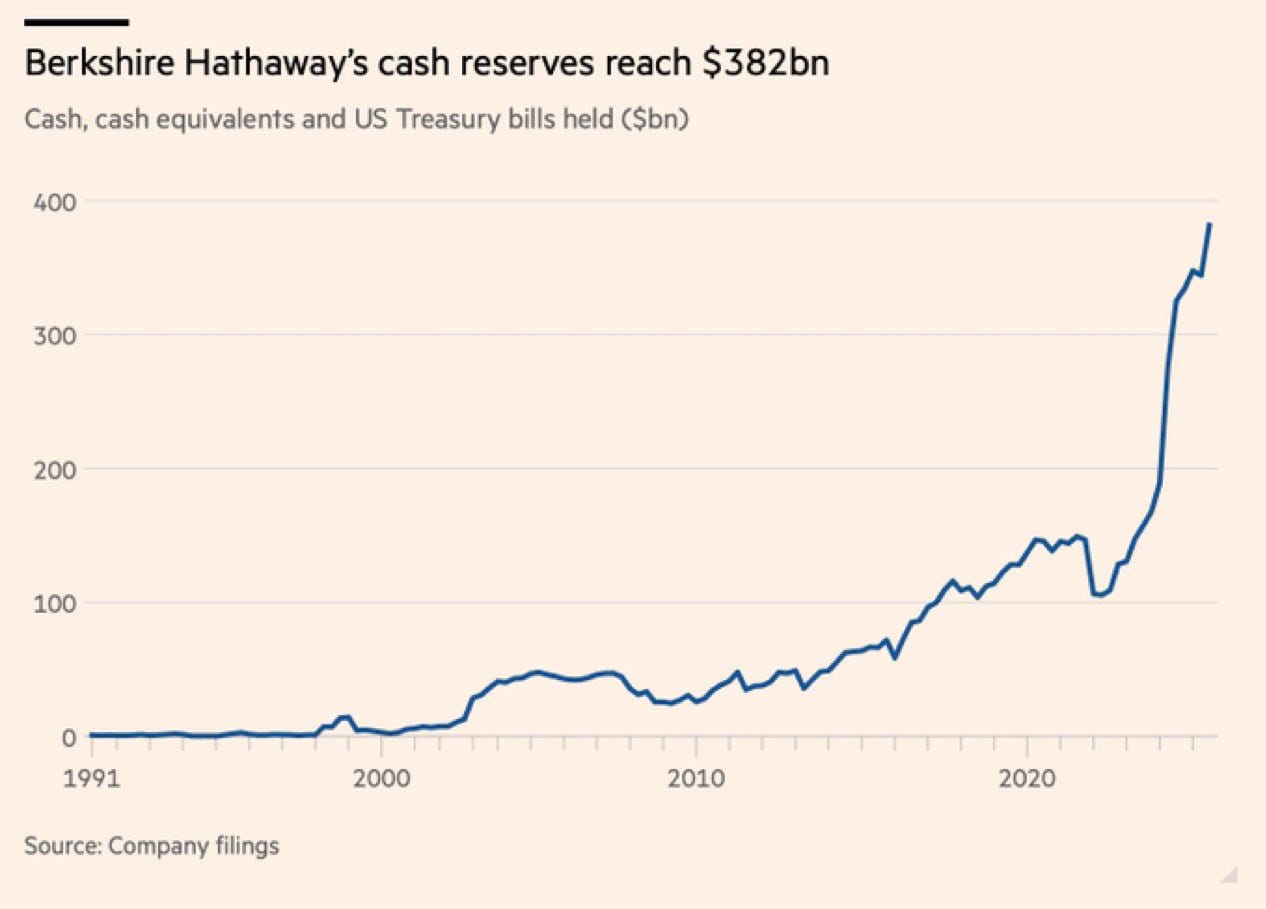
Berkshire continues to build a war chest. (FT)
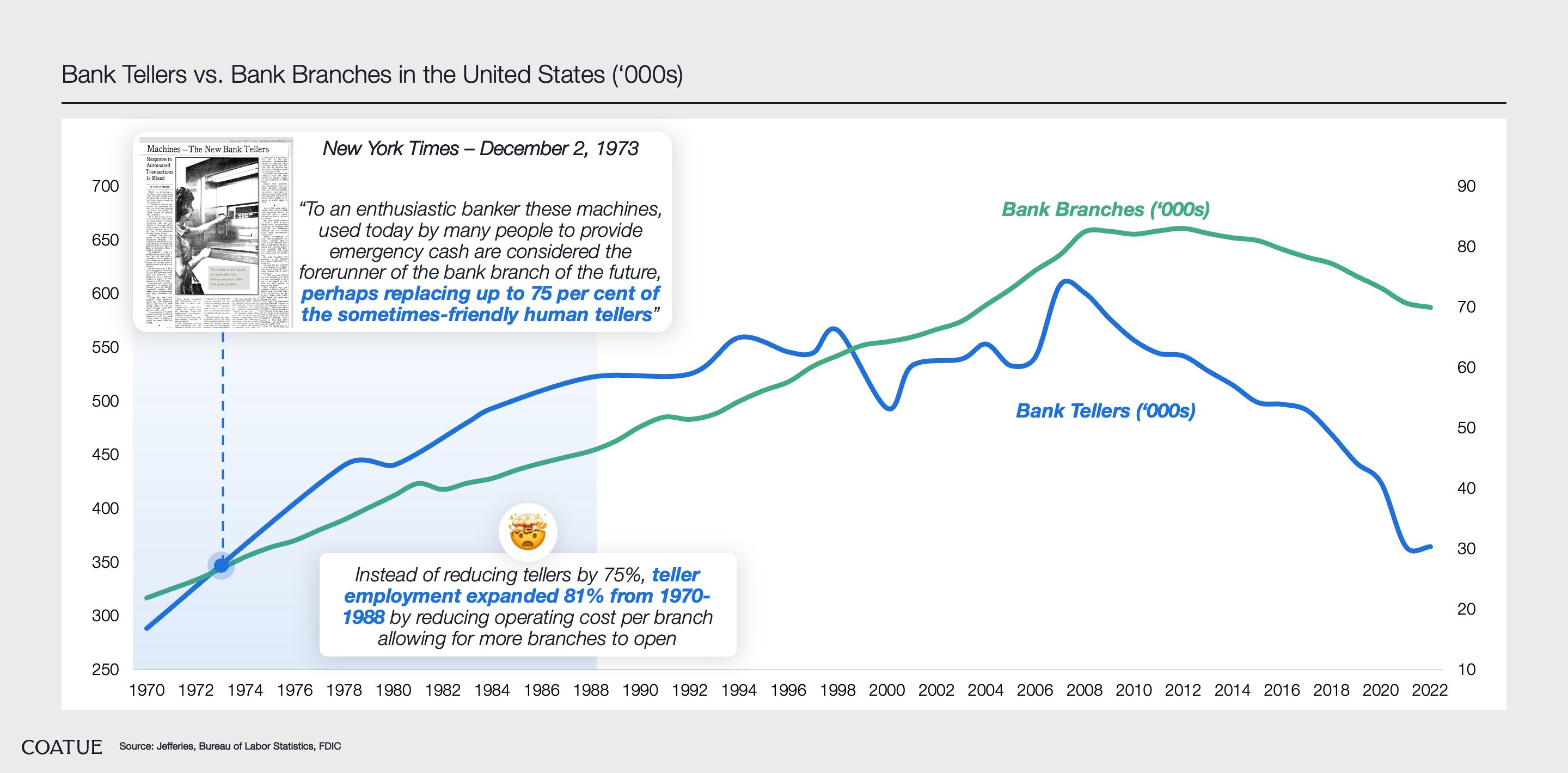
ATMs were once expected to eliminate bank tellers. Instead, efficiency gains lowered branch operating costs and led to more locations and sustained job growth. Technological disruption does not always mean labor destruction. Sometimes it expands the pie. (@coatuemgmt)
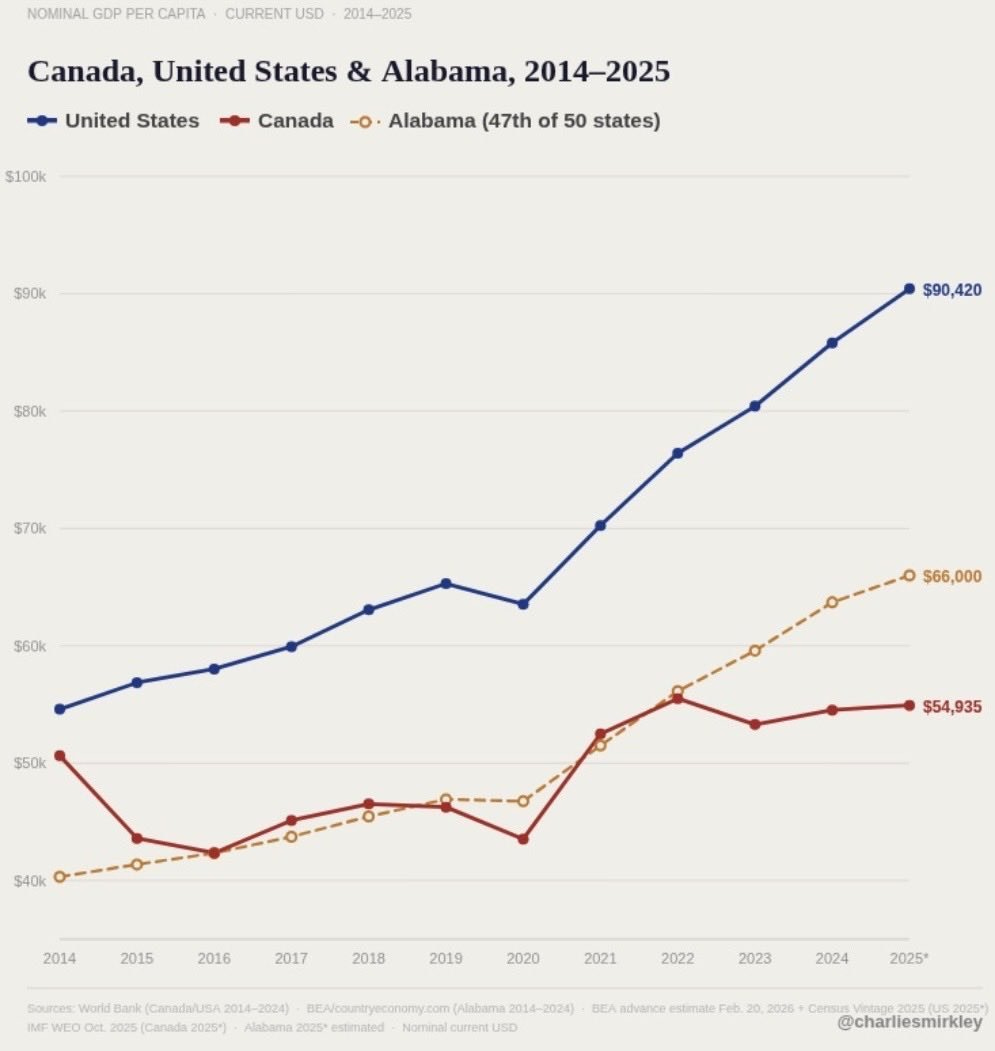
A recent viral article in The Globe and Mail highlighted that one of the poorest U.S. states now has higher GDP per capita than Canada. Relative performance matters. Complacency compounds quietly. (@mert)
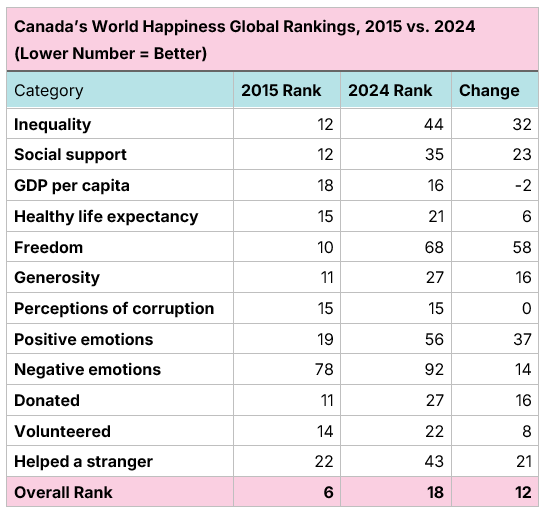
Canada has historically ranked well in GDP per capita and performed relatively well globally, yet its position in the World Happiness rankings has fallen from 6th to 18th over the past decade. Quantitative prosperity has not translated into qualitative improvement. Living standards are more than output statistics. (@MikePMoffatt)
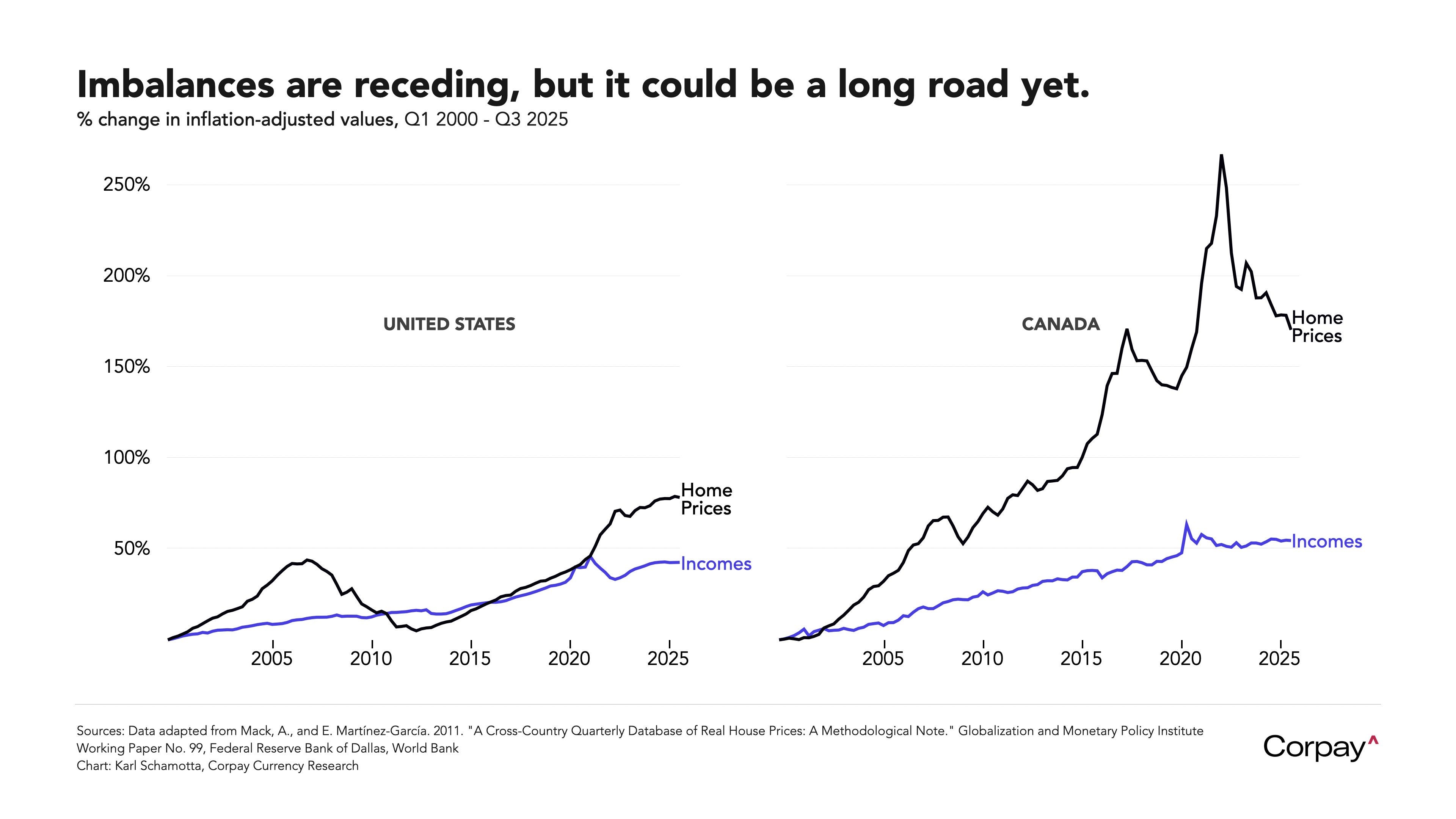
Canada is experiencing the worst housing downturn among major economies since early 2022. Housing has been a core pillar of national wealth. When that pillar weakens, second order effects follow. (Corpay)
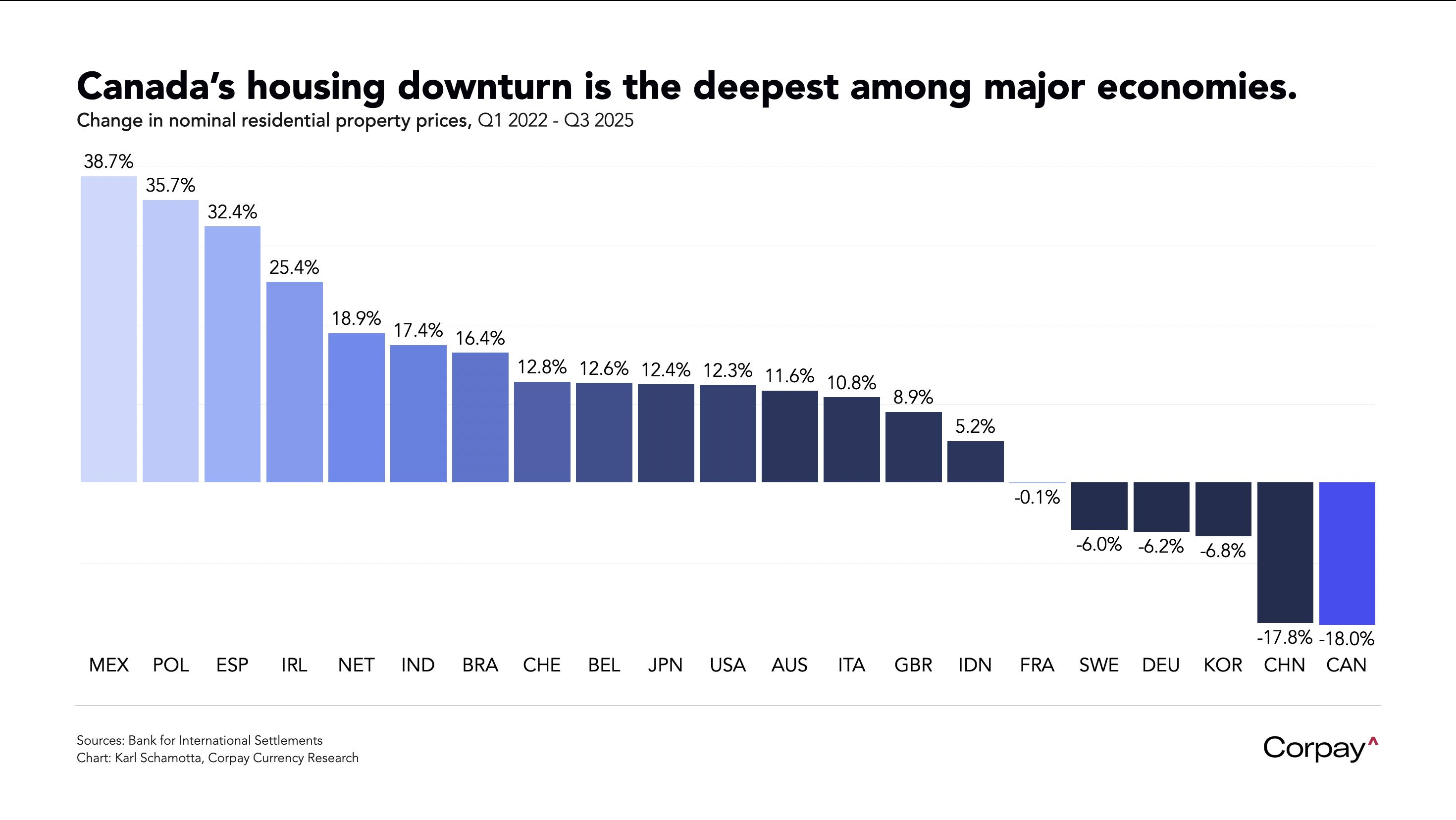
You can argue home prices in Canada could still fall further. (Corpay)