
Energy Independence ⚡

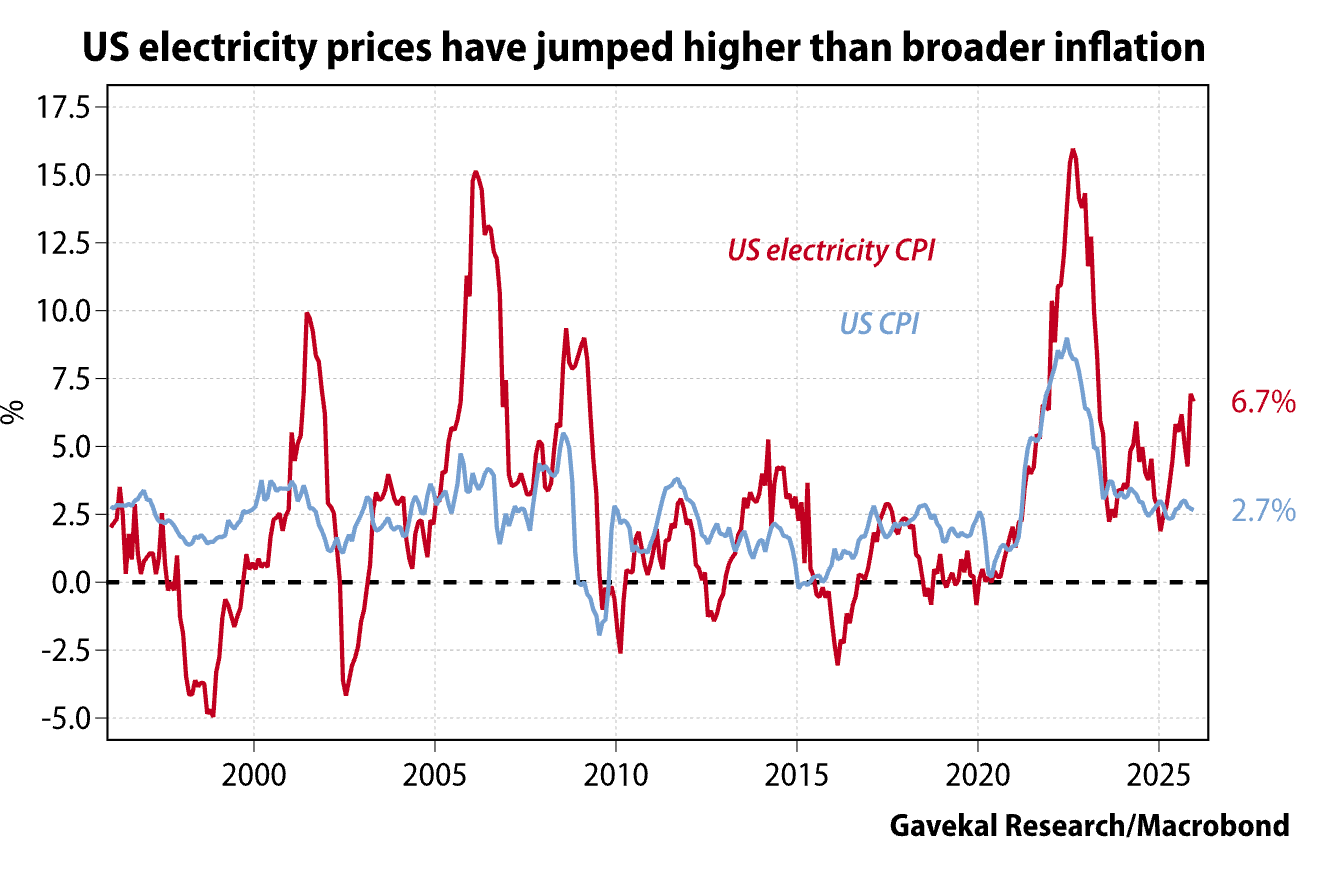
U.S. electricity prices rising at almost 7% YoY and substantially higher than broader inflation (Gavekal).
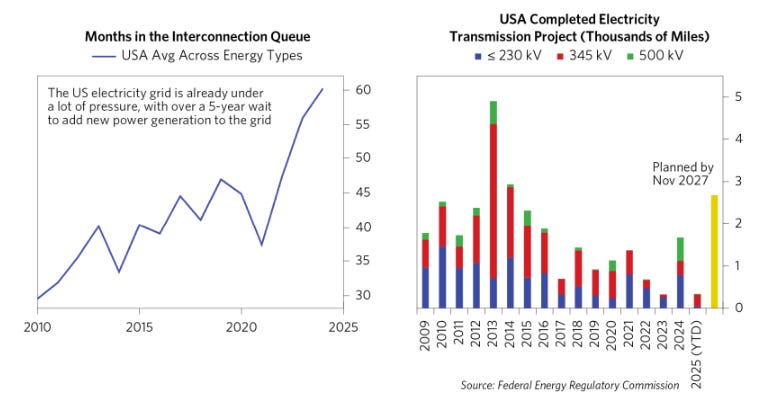
The primary constraint on U.S. energy expansion lies in grid deployment. New generation capacity faces prolonged interconnection queues that vary significantly by region, introducing risks that bridge supply chain volatility, interstate regulation, and political friction. While the U.S. aims to accelerate transmission projects, persistent congestion may force a choice: either accept material caps on demand growth or pivot toward off-grid, 'behind the meter' solutions like fuel cells and gas engines.
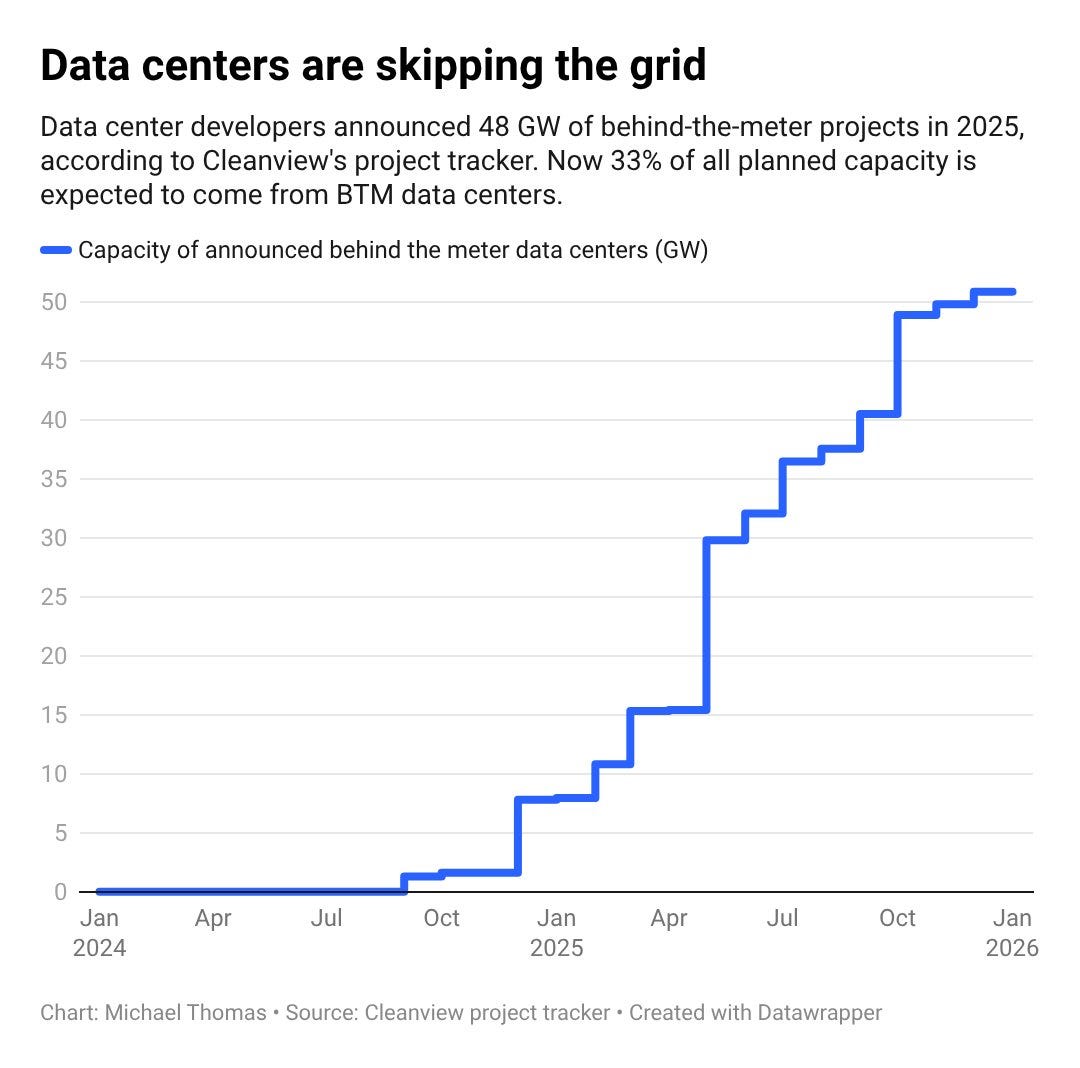
The grid clearly can’t keep up as data centers have resorted to behind the meter solutions. (@curious_founder)
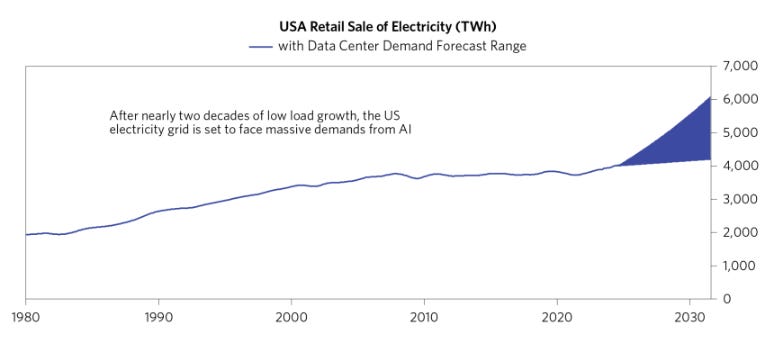
After two decades of stagnant demand, U.S. forecasts now project a significant surge in load growth. (Bridgewater)
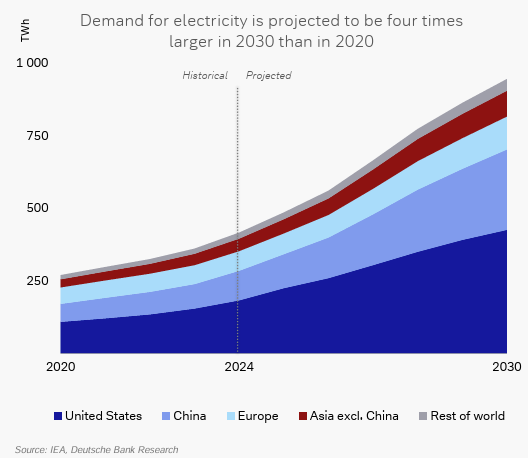
Global electricity demand is projected to quadruple from 2020 levels by 2030.
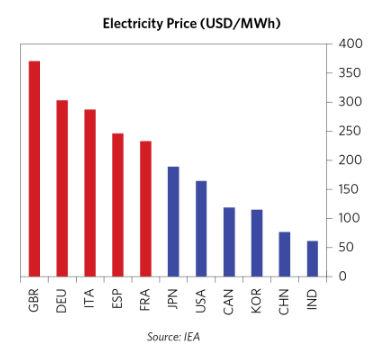
European electricity prices are broadly uncompetitive when compared to North America and especially Asia. While it might not seem like a big issue, economic activity is energy transformed, cheap energy enables productive growth. (Bridgewater)
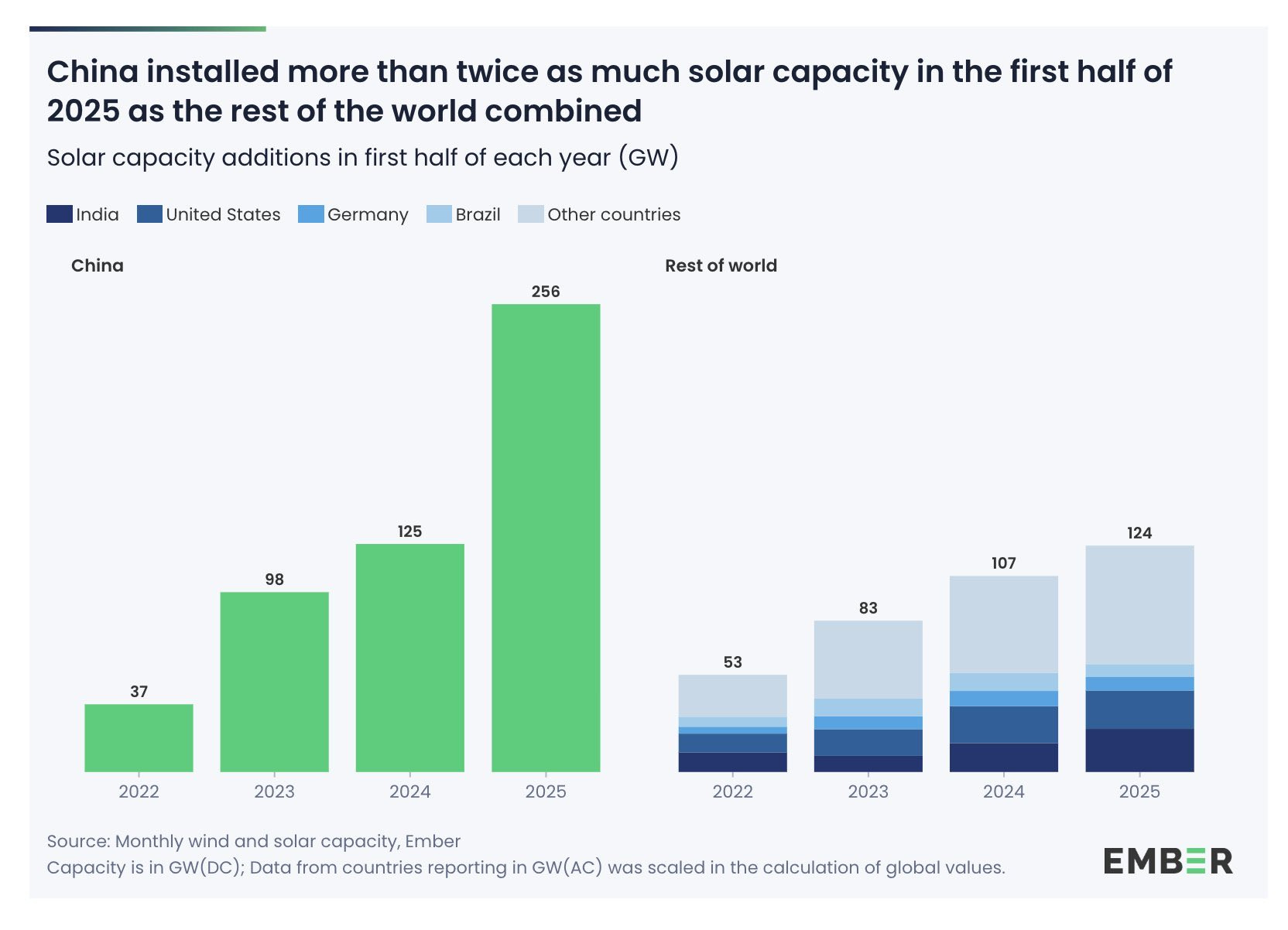
China installed twice as much solar capacity in the first half of 2025 than the rest of the world combined.
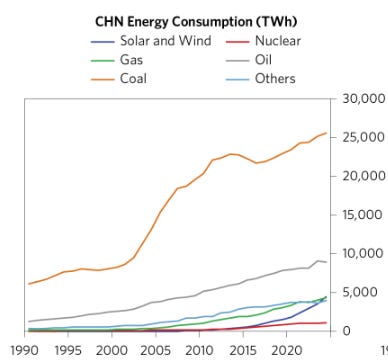
But the majority of Chinese energy consumption still comes from coal. (Bridgewater)
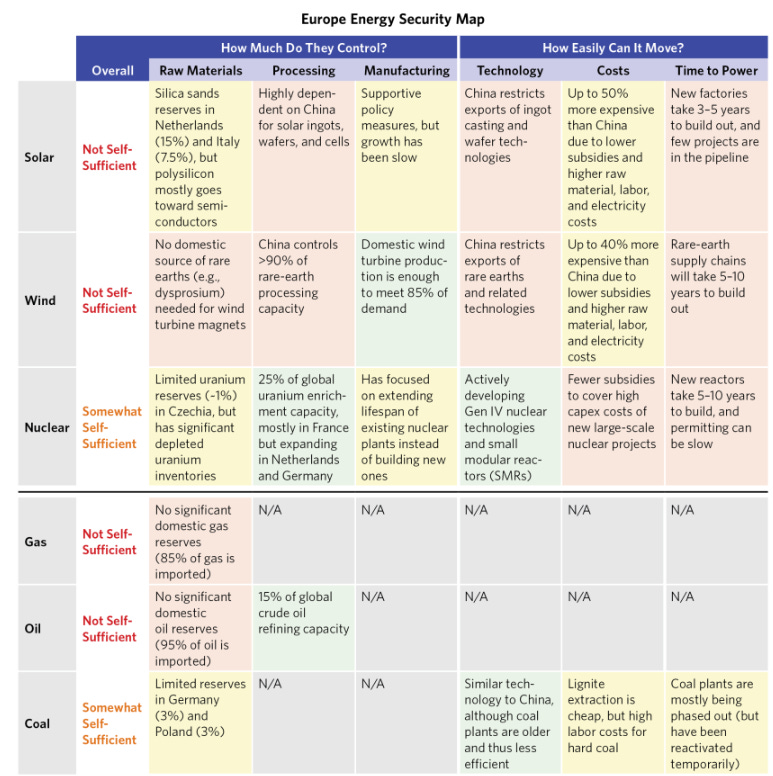
While Europe leads the world in renewable integration, it remains acutely dependent on fossil fuel imports. In an increasingly multipolar world, energy security has become synonymous with national sovereignty. The continent must secure its own energy destiny to avoid vulnerabilities where geopolitical adversaries can weaponize supply—ensuring that regional stability is never compromised by a sudden 'turning off of the taps' during peak winter demand. (Bridgewater)
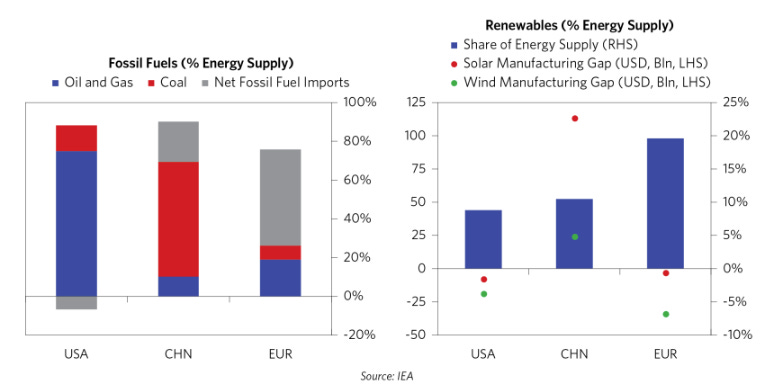
The U.S. is moving to secure its renewable energy supply chain as China leverages its dominance over the rare-earth pipeline. While the United States has achieved energy independence within the traditional fossil fuel landscape, it remains dangerously behind in the critical mineral infrastructure required for a renewable future. (Bridgewater)
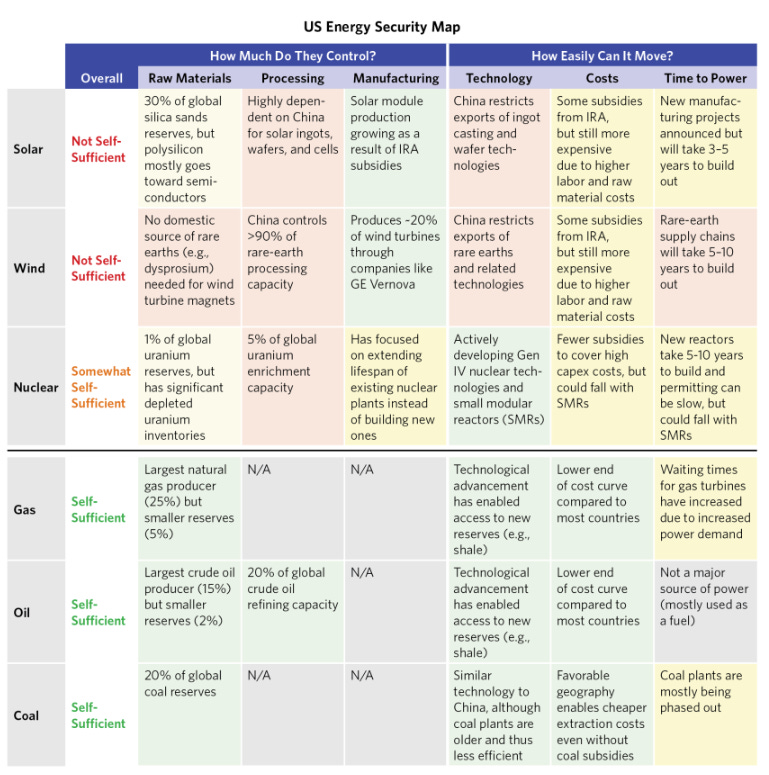
China is the opposite, they have built capabilities to lead renewable supply chains but are dependant on fossil fuel imports excluding coal.
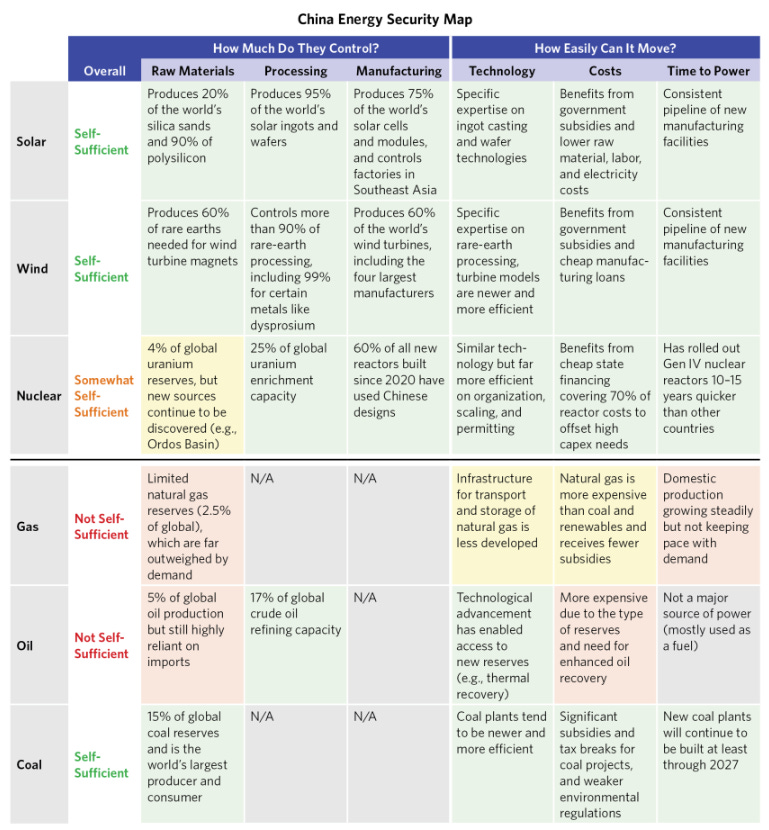
China DOMINATES renewable supply chains. Leaving China borderline monopolies was probably a mistake.
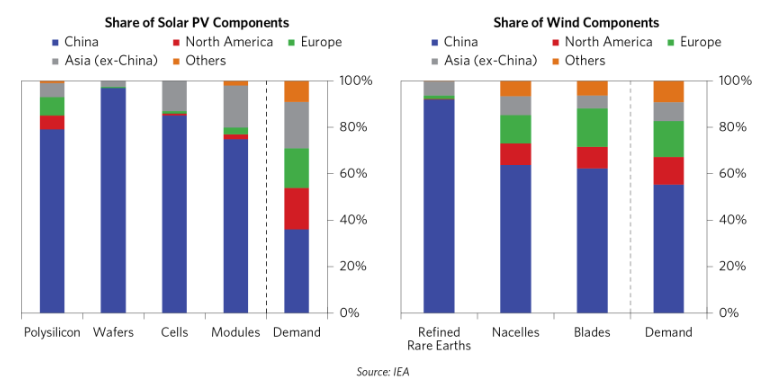
Europe remains far from energy self-sufficiency; consequently, it functions as a 'price and term taker' in global markets. While this dependency was manageable during periods of geopolitical stability, it has become a critical vulnerability in the current era of heightened conflict.
Great note and succinct summary. Thx.