The Exit Environment & Middle Class Struggles

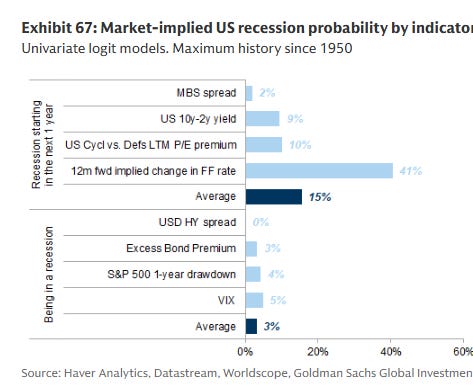
Market-based indicators suggest only a 15% recession probability. (@MikeZaccardi)
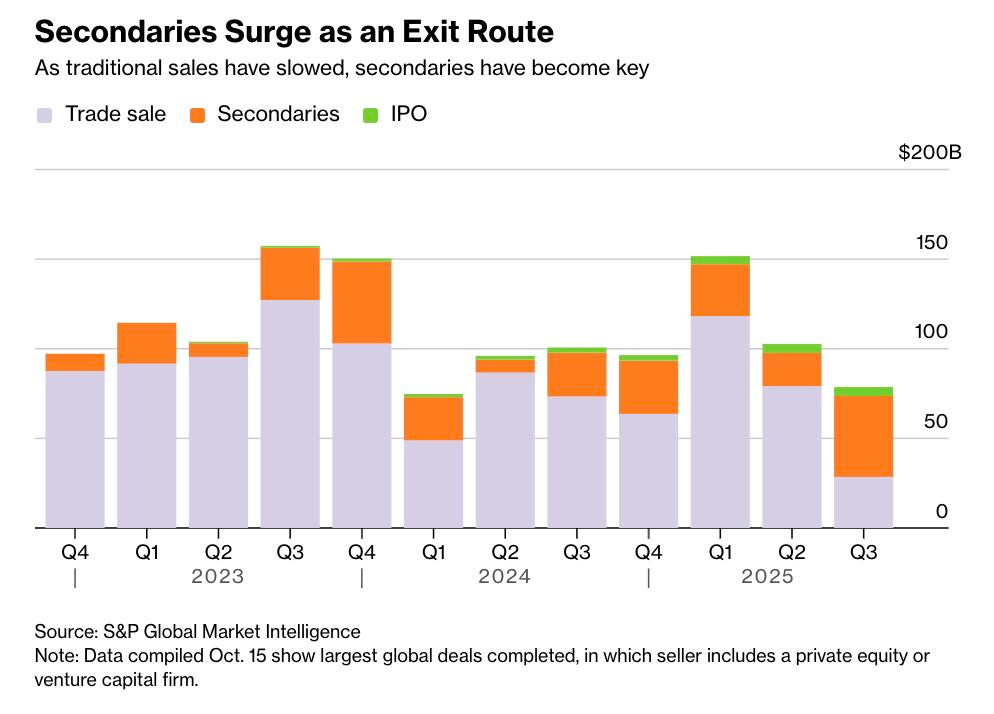
Private equity faces headwinds as exits remain sluggish following a strong Q1. The slow traditional exit environment is pushing sponsors toward secondary transactions, a telling sign that GPs are struggling to return capital to investors. (Bloomberg)
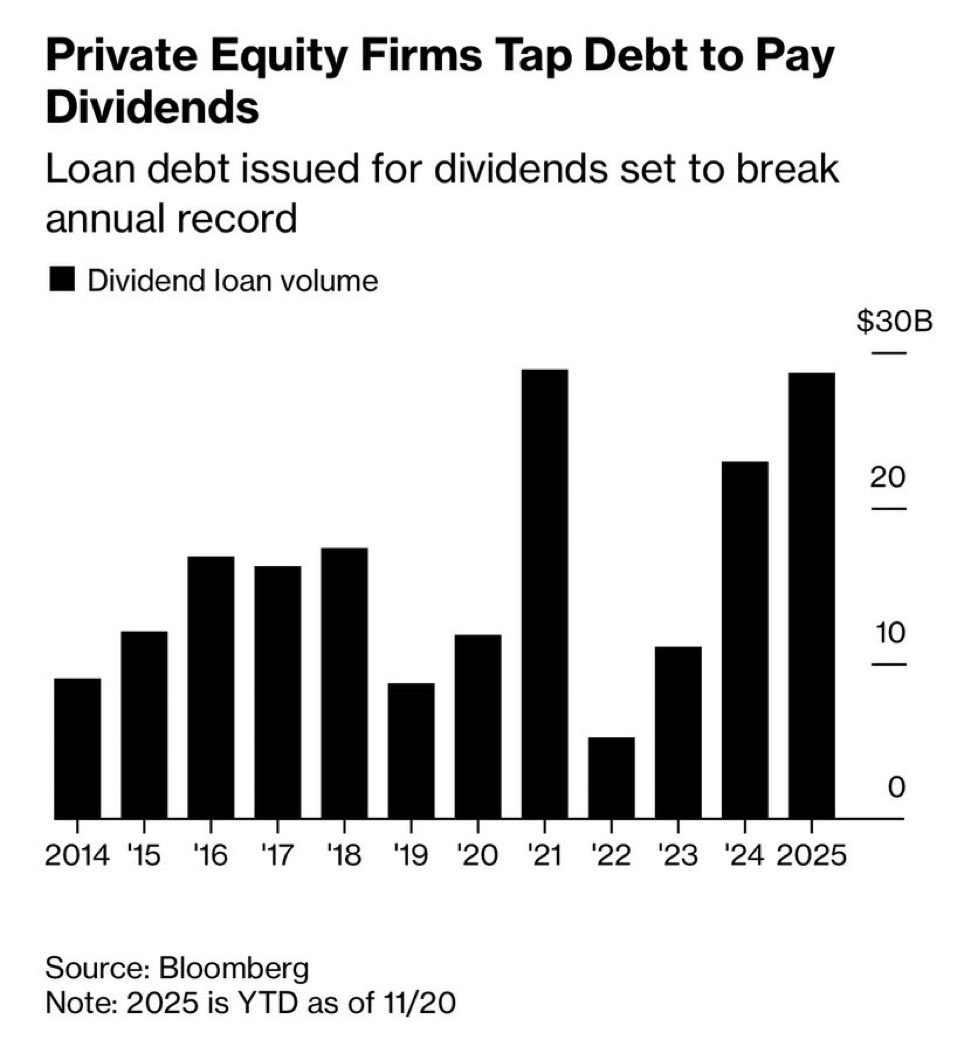
As LP distributions dry up, private equity firms are increasingly tapping debt markets to pay dividends. (Bloomberg)
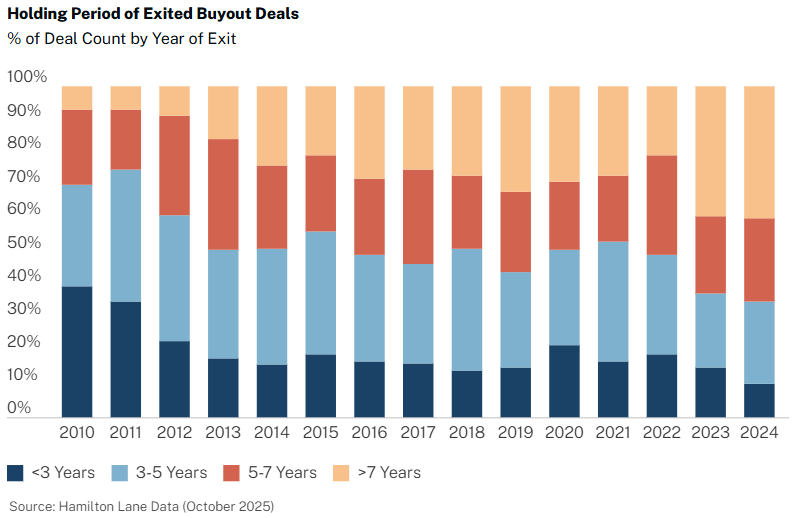
Extended hold periods underscore the sluggish exit environment. Both 2023 and 2024 set records for companies sold after seven-year hold periods. (Hamilton Lane)
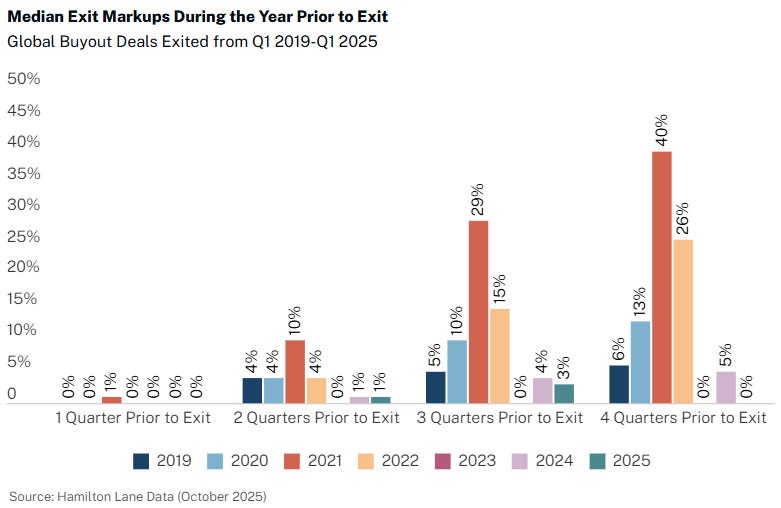
Challenged valuations are evident in the absence of meaningful mark-ups at exit. (Hamilton Lane)
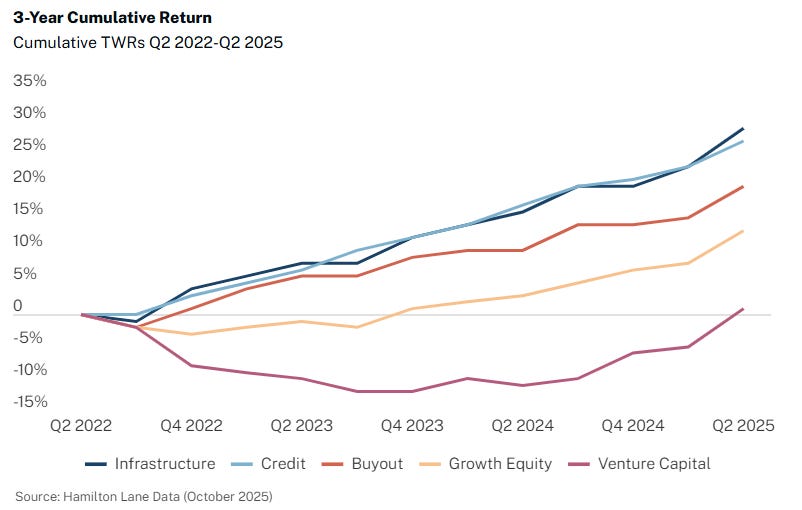
Venture continues to lag the rest of private markets. (Hamilton Lane)
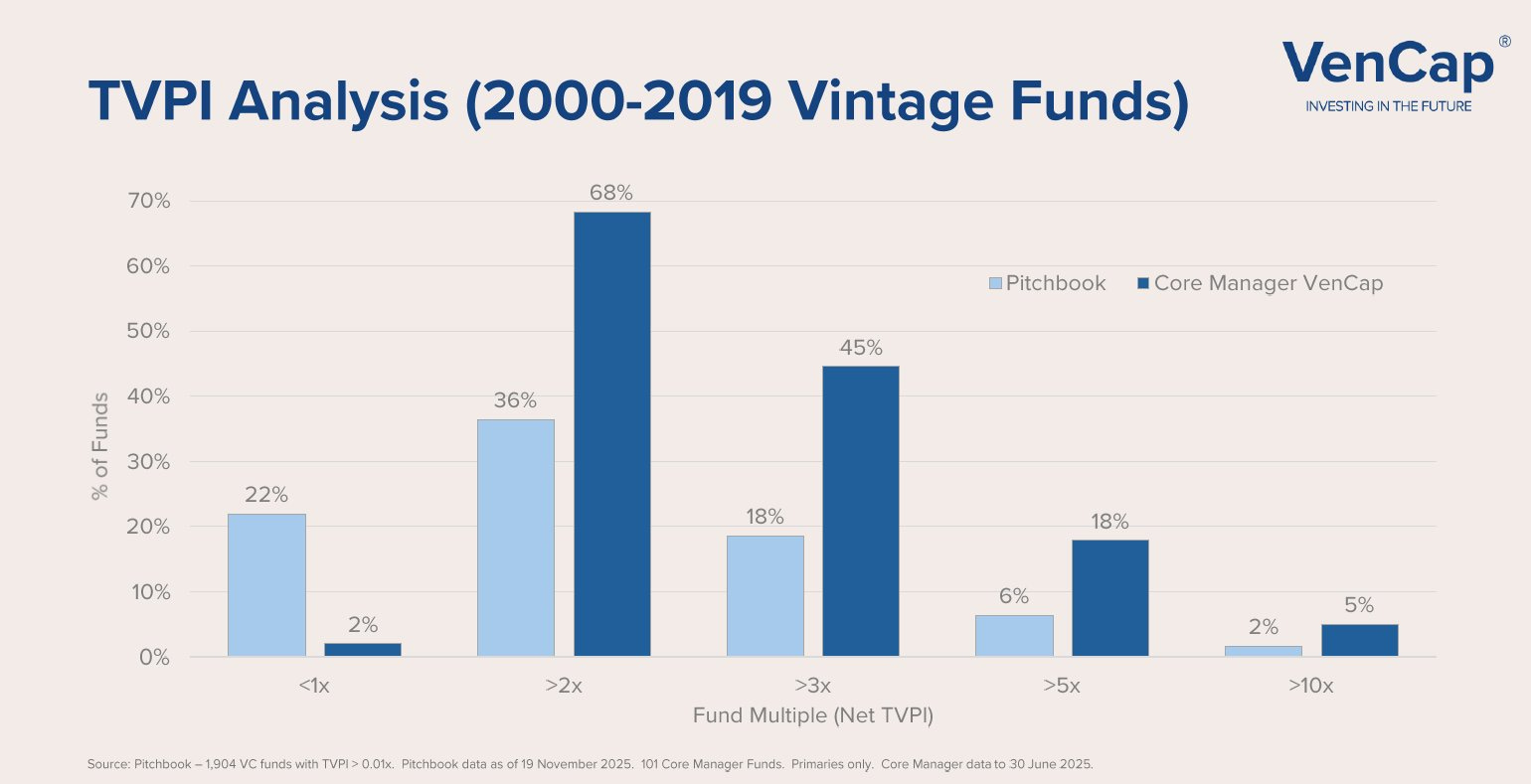
PitchBook data reveals that only 6% of 2000-2019 vintage funds achieved 5x or better returns. (@daveclark85)
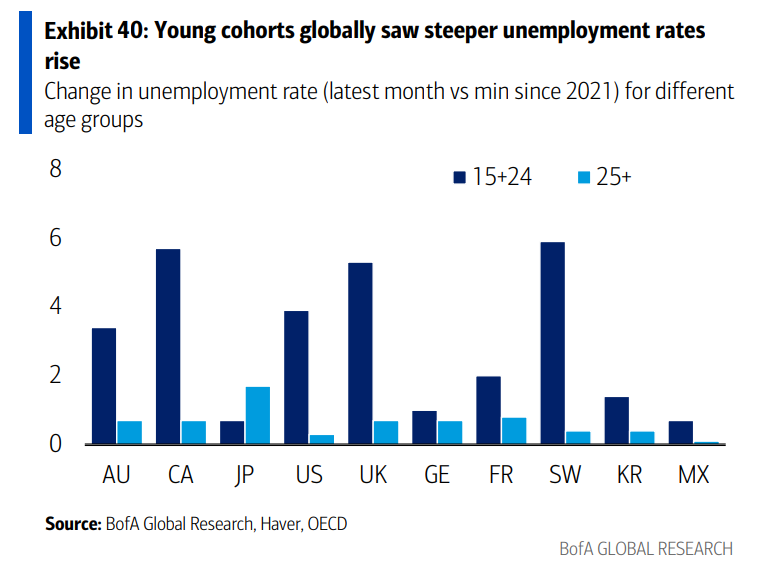
Younger generations face the brunt of labour market deterioration, with Canada experiencing the most severe youth unemployment. (@MikeZaccardi)
Since the 2022 inflation surge, more middle-class Americans report deteriorating financial situations as elevated living costs erode purchasing power. (WSJ)
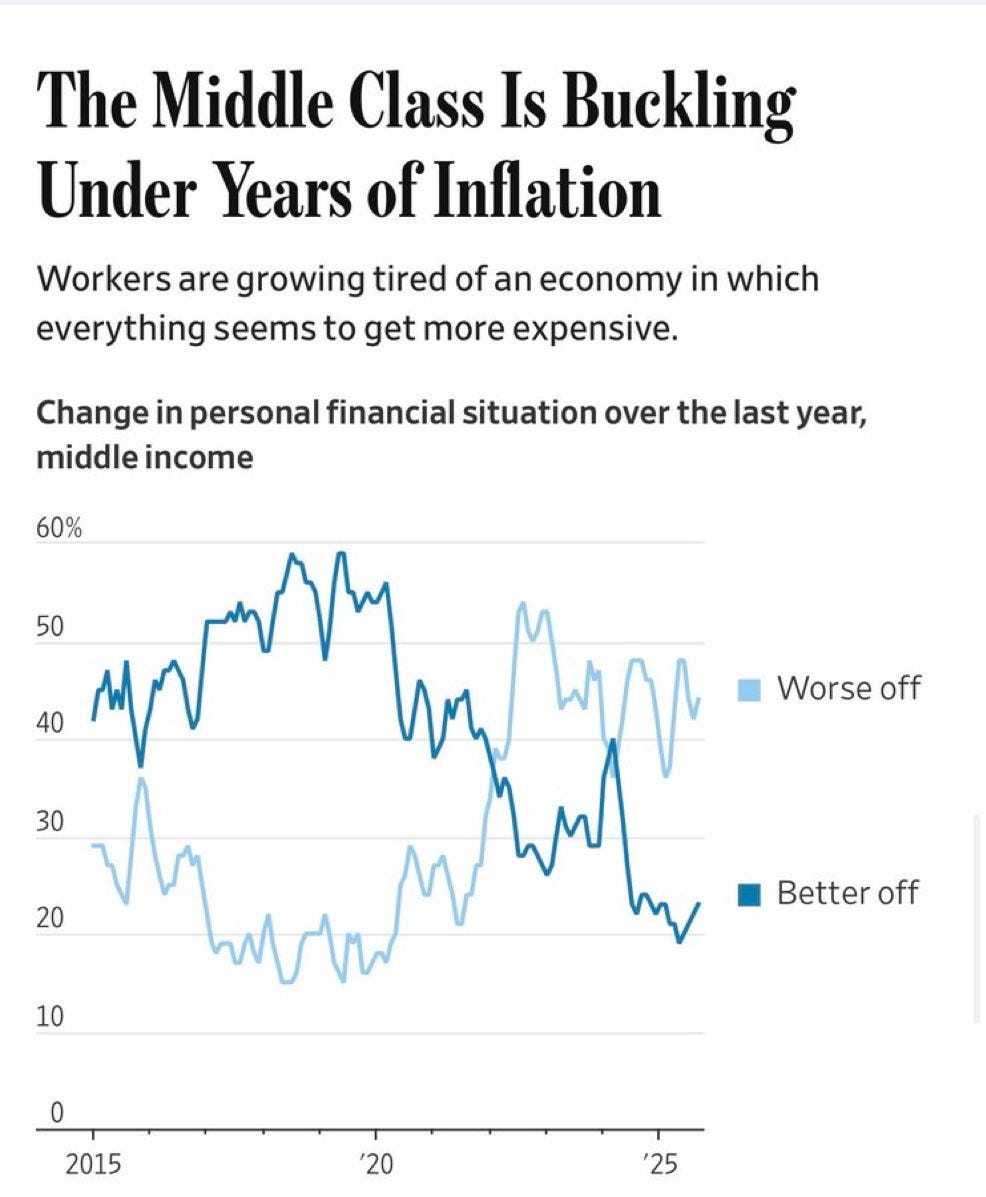
Mike Green wrote about this further. He makes the point that more Americans are struggling more than official statistics indicate. I don’t entirely agree with the new bar he suggests though.
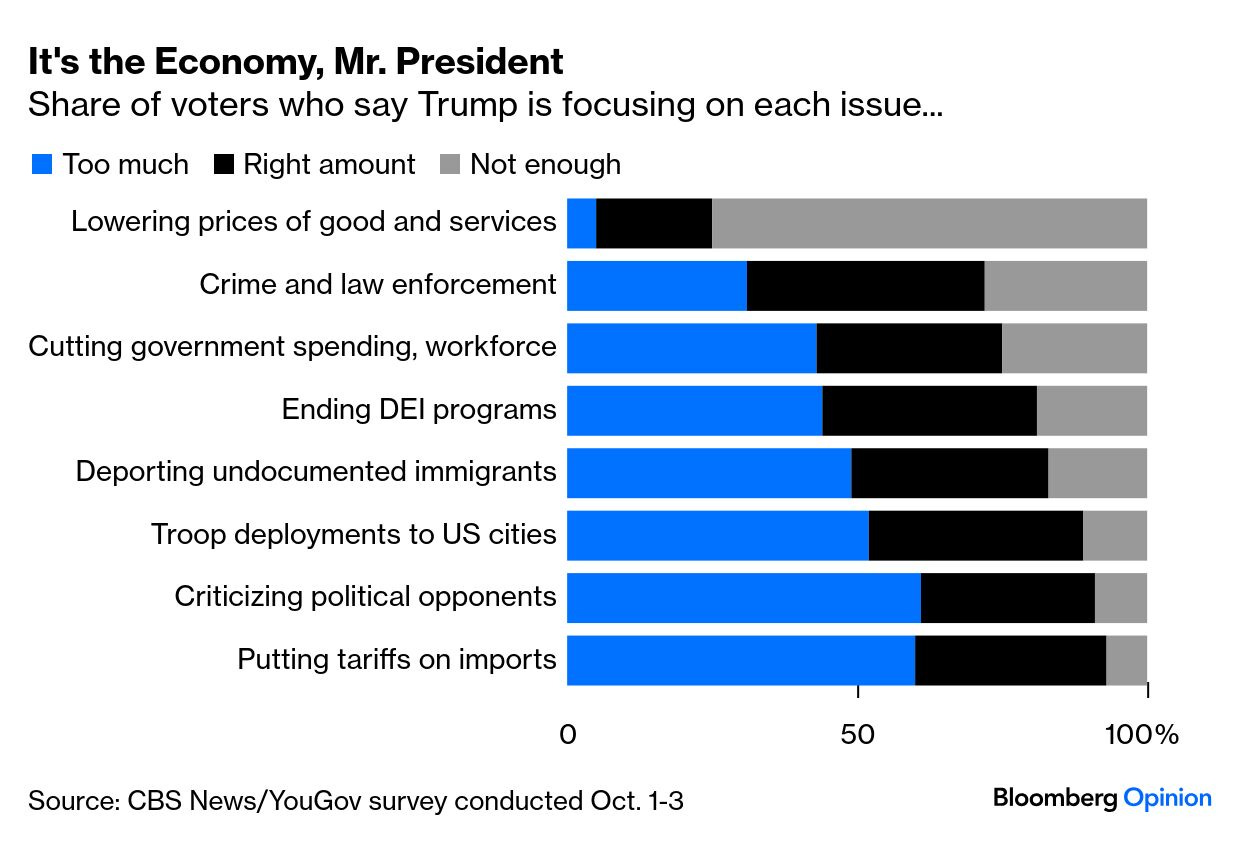
The number one area voters would like to see the President focus more on is increased cost of living. (Bloomberg)
As corporations adjust to tariffs, costs increasingly shift to consumers. (Bloomberg)
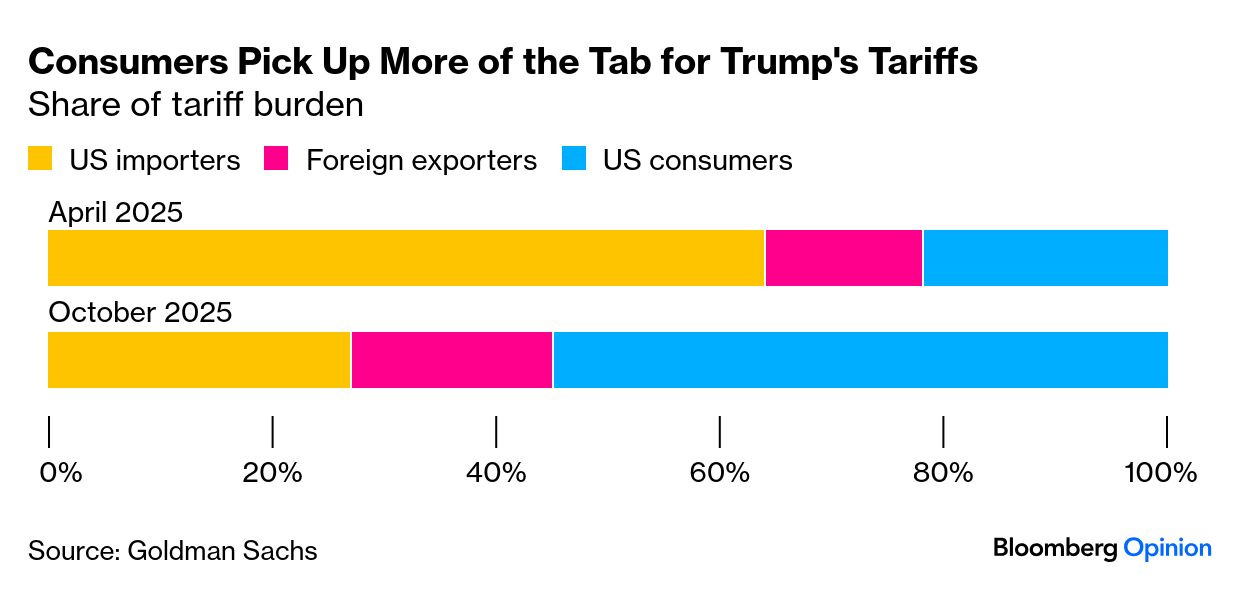
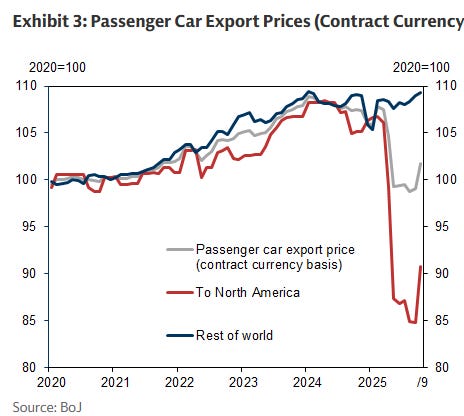
However, tariffs proved effective in some sectors. Japanese exporters absorbed a significant share of the tariff burden. (@MikeZaccardi)